Channel Partner Blog
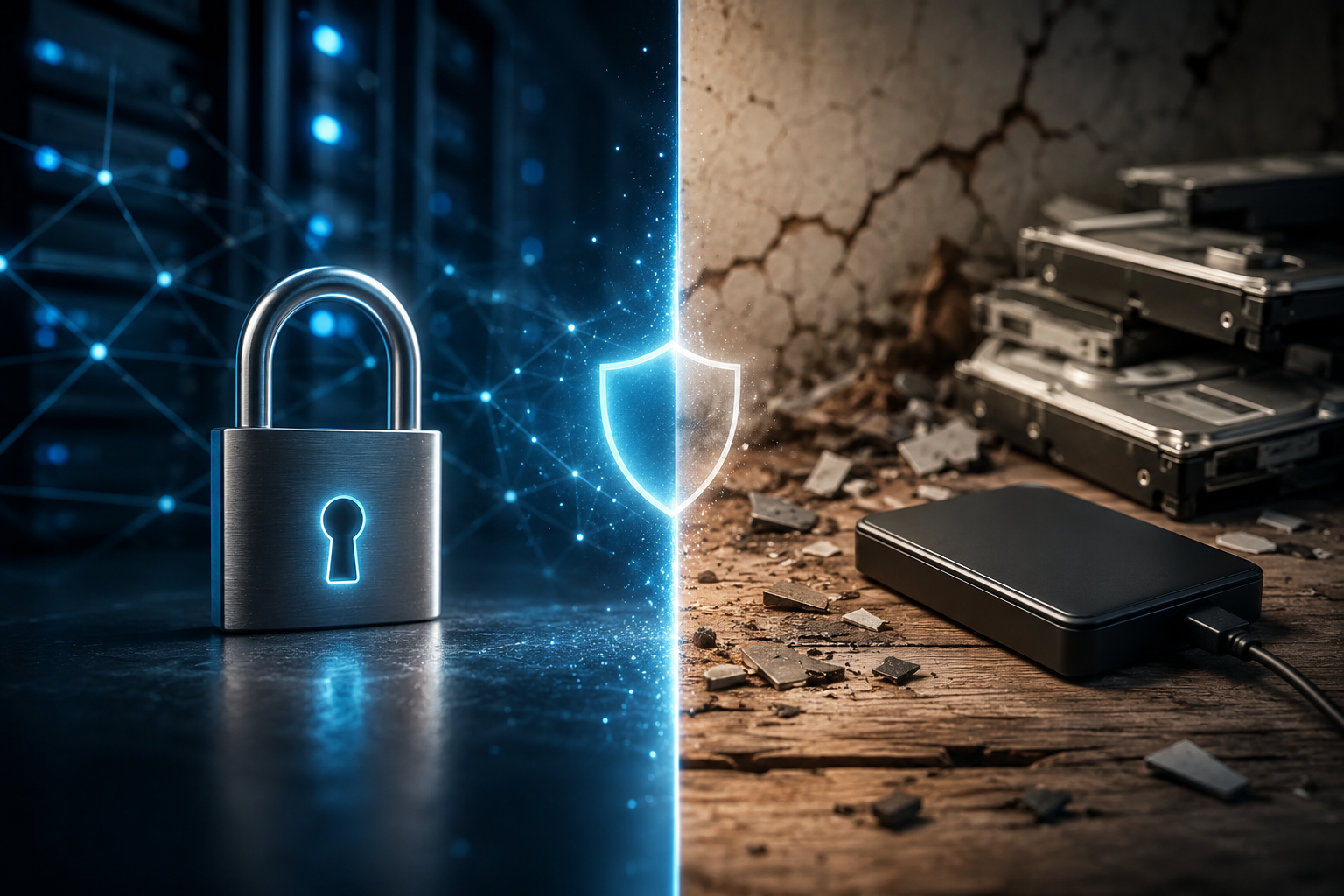
Let’s be honest — traditional backup is no longer enough in today’s fast-evolving digital landscape. In 2026, cyber threats have become more sophisticated, more frequent, and far more damaging than ever before. Businesses are no longer just at risk of losing files; they are at risk of losing entire operations, customer trust, and market reputation in a matter of hours. For Managed Service Providers (MSPs) and channel partners, this reality demands a shift in how protection is delivered. Backup alone is no longer a safety net — it is just one piece of a much larger puzzle.
For years, traditional backup solutions provided organizations with peace of mind. Files could be stored offsite, restored when needed, and safeguarded against hardware failures or accidental deletions. While that model worked well in simpler times, modern cyber threats such as ransomware, phishing attacks, zero-day vulnerabilities, and advanced malware have exposed its limitations. Today, when an attack strikes, recovering files is only the beginning. Organizations need a comprehensive solution that actively prevents attacks, responds in real time, and enables rapid recovery without prolonged disruption.
To understand the gap, consider a real-world scenario. Imagine a business hit by ransomware early in the workday. Traditional backup may allow files to be restored, but the attack itself may still be active, systems may remain compromised, and the root cause often requires manual investigation. During this time, operations slow or stop completely. In contrast, an integrated cyber protection approach can detect and isolate the threat while recovery begins, significantly reducing both downtime and business impact.
This is where cyber protection takes center stage. Unlike traditional backup, cyber protection integrates multiple layers of security and management into a unified platform. It goes beyond simply storing copies of data by proactively identifying threats, blocking malicious activity, and ensuring systems remain secure and up to date. The shift from backup to cyber protection is not just a technological upgrade — it is a strategic necessity driven by the realities of modern business risk.
One of the biggest challenges businesses face today is the growing complexity of IT environments. Many organizations rely on separate solutions for backup, cybersecurity, patch management, and endpoint protection. While each tool may perform its function well, managing them together introduces operational strain. Each system requires configuration, monitoring, and maintenance, often across different interfaces and workflows. This fragmentation increases the administrative burden and makes it more difficult to maintain consistent security coverage.
For MSPs and channel partners, this complexity translates directly into operational inefficiencies. More tools mean more time spent on integration, troubleshooting, and training. It also increases the likelihood of gaps between systems, where threats can go undetected. Over time, this affects service delivery, slows response times, and places additional pressure on technical teams. In a competitive market, these inefficiencies can limit scalability and reduce overall profitability.
Beyond operational strain, fragmented environments also affect client outcomes. Inconsistent protection can lead to slower incident response, extended downtime, and higher recovery costs. Clients expect seamless, reliable protection, and any breakdown in that experience can erode trust.
To address these challenges, many MSPs are turning to integrated platforms that unify backup, security, and management into a single solution. This approach reduces complexity, improves visibility, and enables faster response to threats. With everything working together, IT teams can move from reactive problem-solving to proactive protection.
With Acronis Cyber Protect Cloud, this approach is brought to life in a practical and scalable way. By combining backup with AI-based anti-malware, patch management, and disaster recovery capabilities, the platform eliminates the need for multiple disconnected tools.
The value of AI-driven protection lies in its ability to adapt to evolving threats. Modern cyberattacks frequently change behavior to avoid detection, making traditional signature-based security less effective. AI-based anti-malware continuously analyzes patterns and anomalies, allowing it to identify and stop threats in real time.
At the same time, integrated patch management plays a critical role in minimizing vulnerabilities. Many cyberattacks exploit outdated software or unpatched systems. By automating patch deployment within the same platform, businesses can ensure consistent updates without additional tools or manual effort.
Disaster recovery is another area where cyber protection delivers significant value. In the event of an incident, organizations need more than access to their data — they need to restore operations quickly and efficiently. Integrated recovery capabilities enable systems to be brought back online with minimal delay, helping to maintain business continuity and reduce financial impact.
One of the most important advantages of this model is vendor consolidation. By bringing multiple functions into a single agent, partners can reduce the number of vendors they rely on. This simplification has both operational and financial benefits. Managing fewer vendors means fewer contracts, fewer integrations, and fewer potential failure points.
From a business perspective, this streamlined approach supports sustainable growth. Reduced complexity leads to lower operational costs, while improved efficiency allows teams to focus on higher-value activities. Instead of spending time managing multiple systems, MSPs can invest more effort into innovation, client engagement, and service expansion.
From the client’s perspective, the value is equally compelling. Businesses are increasingly looking for partners who can deliver comprehensive solutions rather than isolated services. By offering integrated cyber protection, channel partners can position themselves as trusted advisors who support long-term business resilience.
Another important consideration is business resilience. In today’s environment, even short periods of downtime can have significant financial and reputational consequences. Cyber protection ensures that businesses are not only protected against threats but are also equipped to recover quickly when incidents occur.
As the threat landscape continues to evolve, the gap between traditional backup and modern cyber protection will only continue to grow. Organizations that rely solely on backup may find themselves increasingly exposed to risks that backup alone cannot address.
The question is no longer whether businesses need backup, but whether backup alone is enough. For those looking to stay competitive, improve efficiency, and build stronger client relationships, the answer is clear: a more integrated approach is essential.
In conclusion, traditional backup on its own can no longer meet the demands of modern cybersecurity. The future lies in integrated cyber protection — a unified approach that combines backup, security, patch management, and disaster recovery into a single, cohesive solution.
Take the next step toward smarter cyber protection today. Contact channel@4sight.cloud to learn how you can enhance your offerings, reduce complexity, and grow your business with Acronis.
